Key takeaways
Altana's federated data model lets sovereign governments, enterprises, and logistics providers share trade intelligence without surrendering their data. Each participant keeps sensitive information in its own secure environment while AI learns from the broader network — resolving the tension between data sovereignty and the collaboration that global commerce requires.
- A federated data model lets sovereign governments and enterprises share intelligence across borders without their underlying data ever leaving their own secure environment.
- Altana's federated data model is deployed today across sovereign environments in the U.S., UK, and Australia, where all data, analysis, and software run on government-controlled infrastructure.
- The EU Data Act strengthens data sovereignty while also mandating interoperability, pushing manufacturers to stop locking insights in proprietary silos and share information within secure data spaces.
- Across Altana's network, what flows between participants is intelligence — supply chain connections, risk signals, and insights — not the sensitive data itself, which stays on sovereign servers under sovereign control.

See How Altana Protects Entrusted Data
Visit the Trust CenterData sovereignty expectations get stronger — and so does the need for interoperability and collaboration
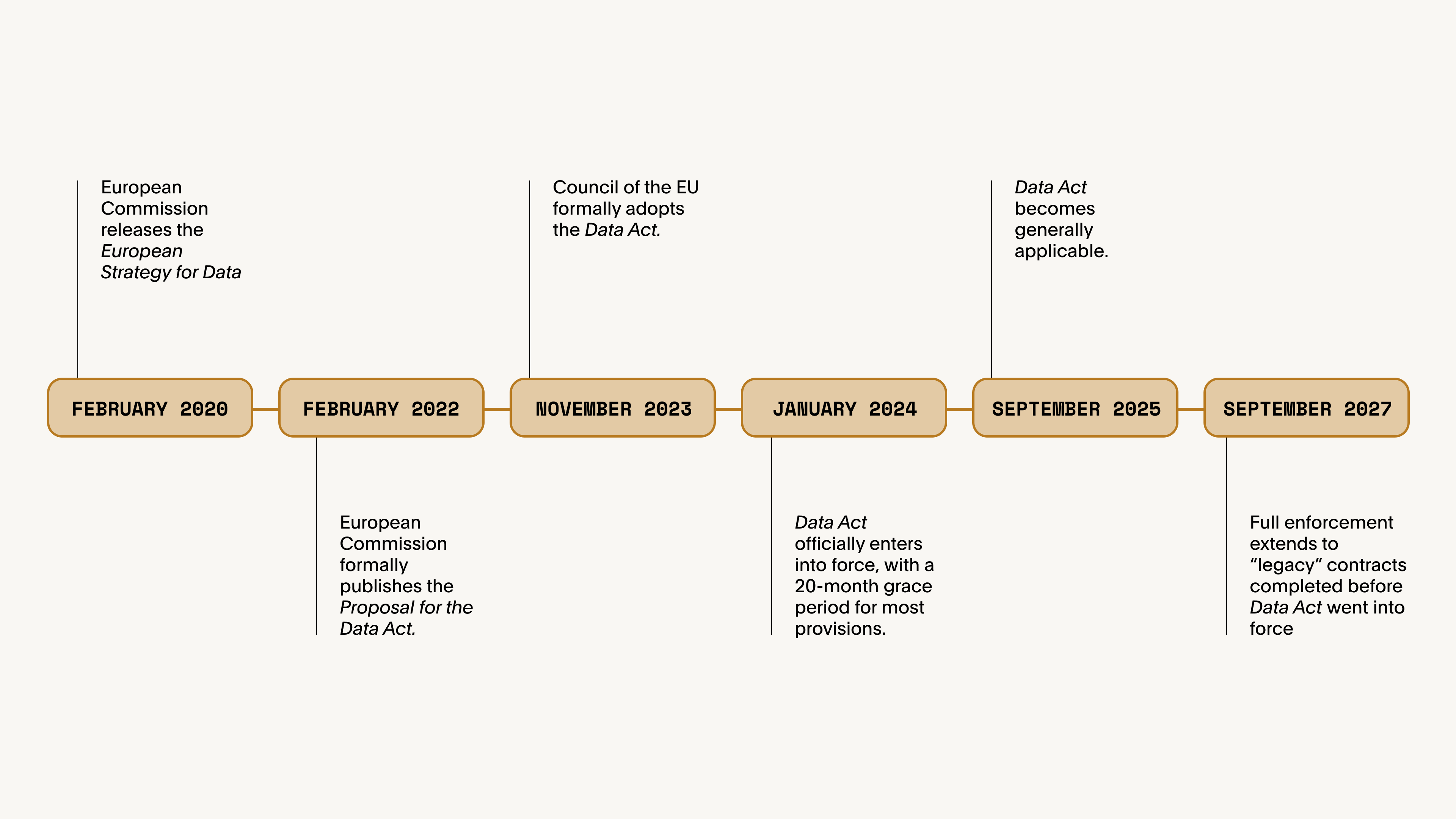
…‘interoperability’ means the ability of two or more data spaces or communication networks, systems, connected products, applications, data processing services or components to exchange and use data in order to perform their functions… High-quality and interoperable data from different domains increase competitiveness and innovation and ensure sustainable economic growth.
A trusted translator: the federated data model
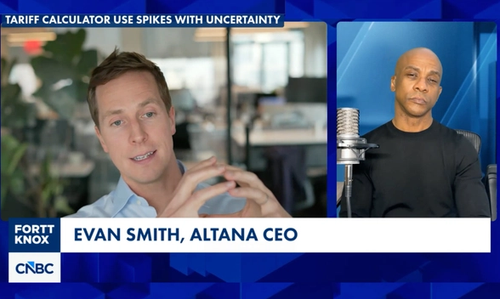
Altana CEO Discusses Data Sovereignty on CNBC
Watch the Interview“Federated learning offers a third way, enabling shared information without commingled data or centralisation. This approach allows connection to and learning from sensitive, siloed information across a federated network. While privacy-preserving, federated learning enables extraction of signals from siloed data and facilitates shared intelligence across the participating network.”
Data sovereignty as the foundation for trusted trade
FAQs
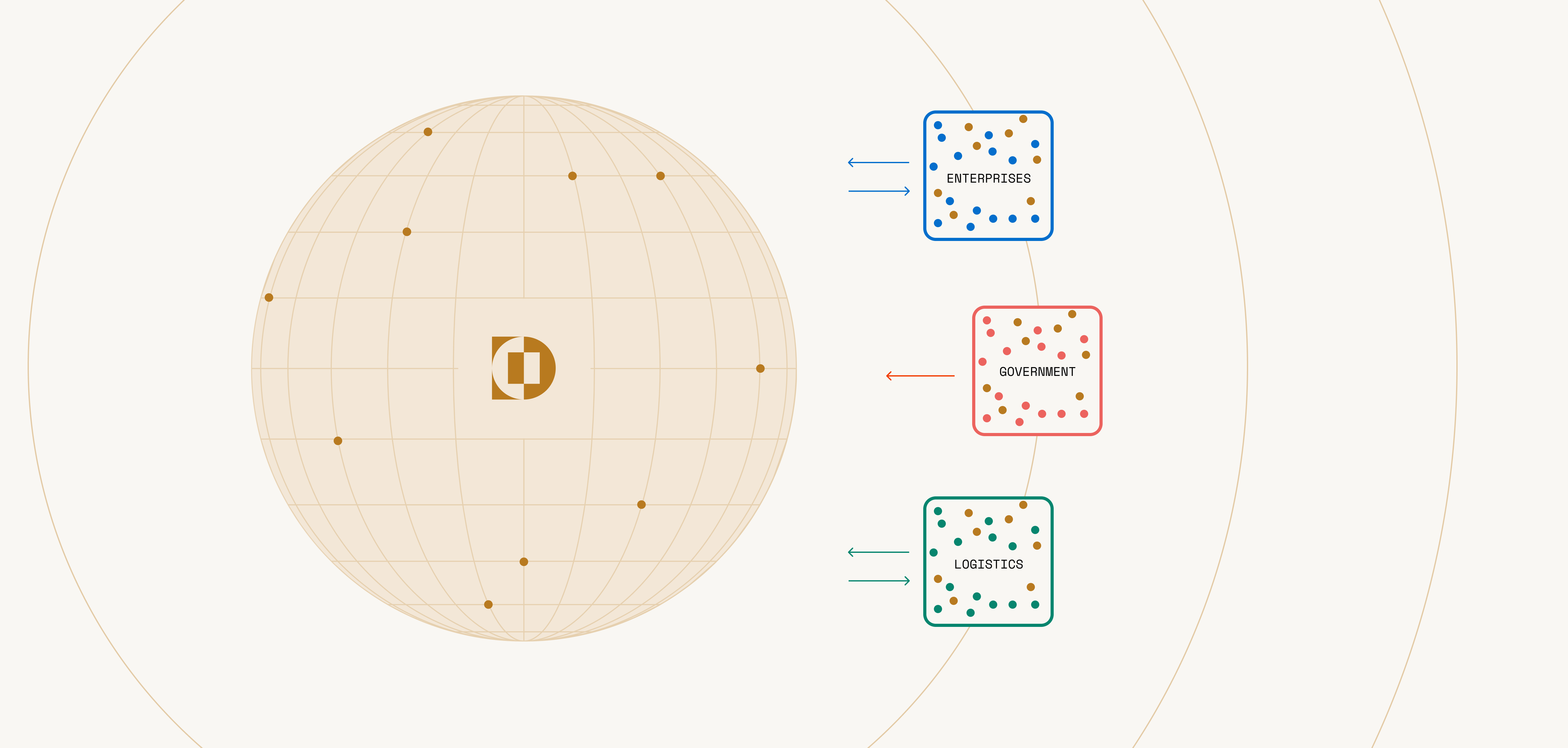
A federated data model is an architecture that allows trusted, permissioned collaboration between supply chain partners while protecting sovereignty, privacy, and security. Each participant — a government, customs authority, enterprise, or logistics provider — operates in its own secure, isolated environment, and sensitive data never leaves that environment. AI models learn from patterns across the broader network and deploy those learnings back to each environment, acting as a translator between systems that could not otherwise speak to one another.
A federated data model keeps each participant's sensitive information — trade records, Bills of Materials, sourcing relationships, pricing, and enforcement intelligence — inside its own dedicated environment, on sovereign soil and under sovereign control. What flows across the network is intelligence such as supply chain connections and risk signals, not the underlying data. This means governments and enterprises can collaborate while their private data never changes hands.
Centralizing trade data in a single sovereign location might offer simplicity, but it runs afoul of growing global expectations to protect a government's digital borders and an enterprise's most private information. Regulations like the EU Data Act legally and technically ensure that European entities — not foreign governments or technology providers — keep control over industrial data. A federated model preserves that control while still enabling collaboration.
Altana's federated data model works on the same principle as predictive text on your phone. Your keyboard learns your vocabulary and patterns, but your personal data never leaves your device — the model improves by learning from patterns across millions of phones without sharing any single user's private information. Altana applies this at a much larger scale, so participants gain the intelligence of a broader network while their sensitive data stays local.
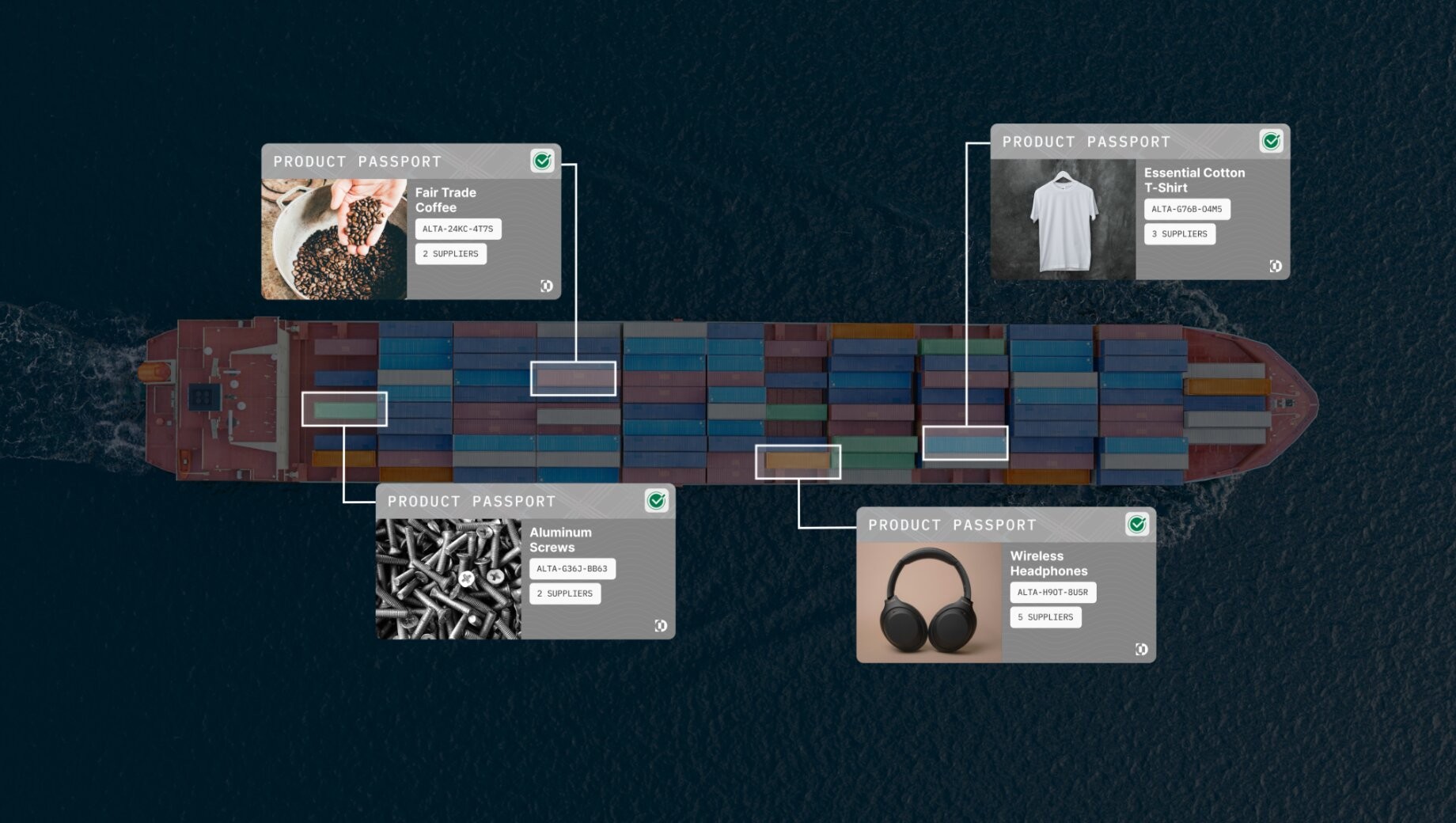
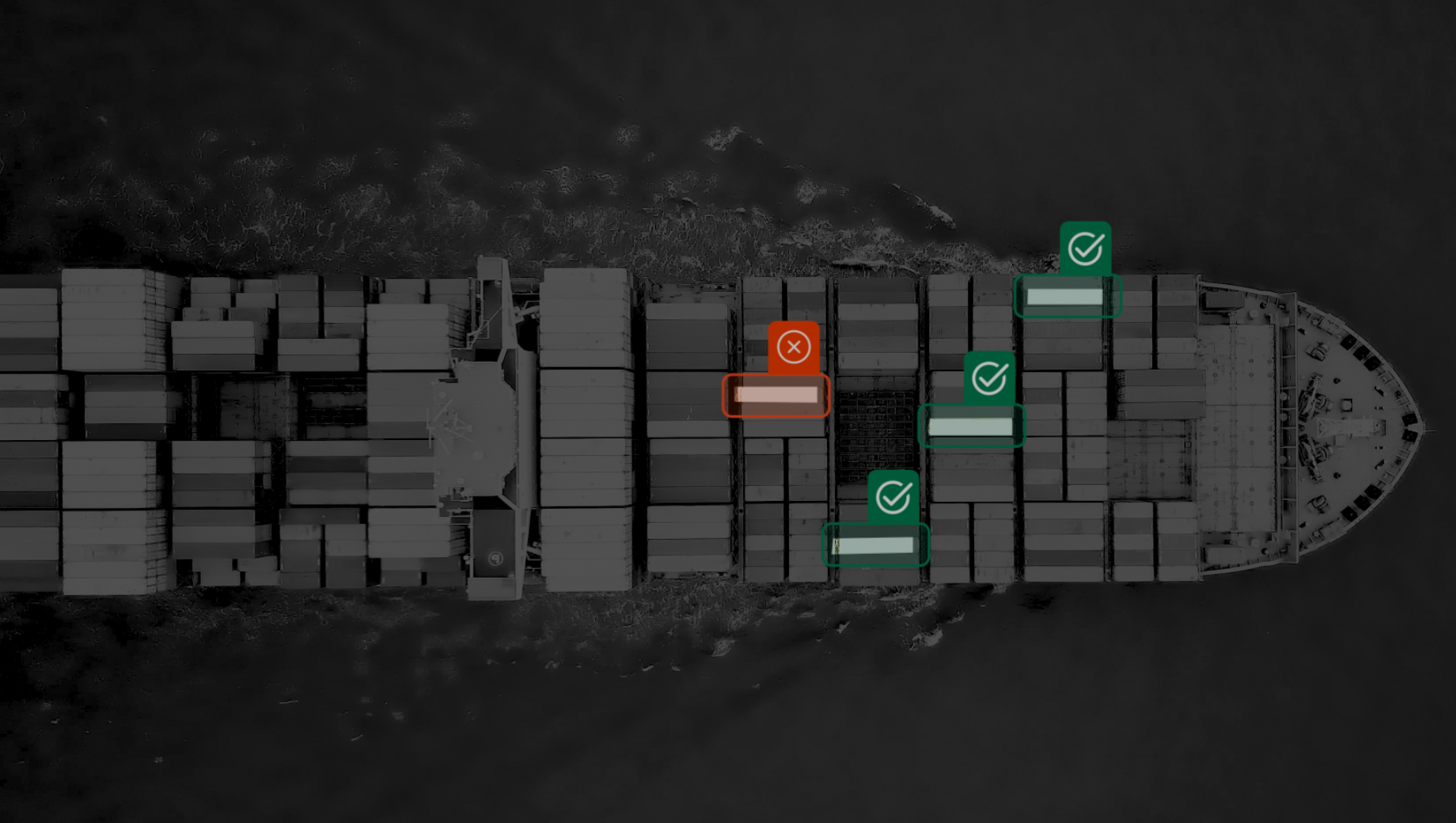
Customs authorities can screen shipments against a global intelligence network without exposing their enforcement data to adversaries. Enterprises can trace multi-tier product value chains to N-tier accuracy without revealing trade secrets to competitors. Governments can collaborate with industry on sanctions enforcement, forced labor detection, and scaling production by sharing insights rather than data across borders.