

Key takeaways
At TradeNext 2026, Altana CEO Evan Smith unveiled a new architecture for trusted trade: a federated public-private network connected by AI-powered Product Passports. The model lets customs agencies pre-validate entire value chains before goods ship, replacing shipment-by-shipment interrogation with trusted trade.
- Altana CEO Evan Smith argued that solving network-shaped trade laws requires network solutions, because customs was built to screen one container at one border while regulations like the UFLPA, Section 232, CBAM, and EUDR reach deep into multi-tier value chains.
- A respected American retailer had its Henley t-shirts detained 47 times in a row under the UFLPA, costing roughly $150 million in delays, detentions, and legal fees before it used an Altana Product Passport to stop the detentions.
- Altana's federated design is a hub-and-spoke model that keeps each nation's data local and sovereign while enabling shared intelligence across the network, so governments never forfeit control of their data, technology, or borders.
- Altana announced a first-of-kind partnership with Maersk to embed Product Passports across the Gemini Cooperation — the twelve key international ports through which roughly 70% of world trade moves.
1. The old global trade order is collapsing — and AI means we can build something better
We have both an urgent imperative to re-architect global trade and, with AI, a technological breakthrough that frees us, and compels us, to design a better system.
2. A new trade system must resolve three contradictions
- Voters and lawmakers now demand maximum security and maximum prosperity at the same time — autarky slows growth, but unbridled free trade has been exploited against national interests.
- Modern trade laws are network-shaped, but customs processes are still shipment-shaped: Regulations like the Uyghur Forced Labor Prevention Act (UFLPA), component-based tariffs in the U.S. such as Section 232 levies, and European laws such as the EU Carbon Border Adjustment (CBAM) and Deforestation Regulation (EUDR) reach deep into multi-tier value chains. But customs was built to screen one container at one border.
- Solving network problems requires shared intelligence — but governments are understandably concerned about data and AI sovereignty. “Security versus prosperity. Shipments versus networks. Sharing versus sovereignty. The question for our generation … is how do we have more enforcement, more sovereignty, more collaboration, and more trade all at the same time?”
Inside TradeNext 2026: Every Major Moment From the Day
See More3. Detentions and delays can be alleviated through a trusted network and pre-validation with Product Passports
4. A federated data model addresses sovereignty concerns
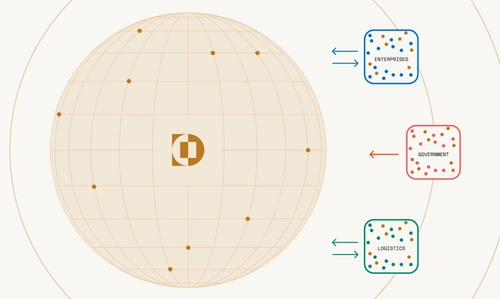
Governments and Enterprises Turn to a Federated Data Model
Learn More5. Product Passports are 'Global Entry for Goods' — increasing trust on all sides of the trading network
Just like global entry for travelers is enabling seamless clearance at the airport, the Product Passport allows seamless entries for trusted and verified goods.
- For importers, AI maps the entire value chain back to raw materials, surfaces risk, and automates entire workflows. Teams using Altana are mapping full value chains and modeling the cost of every sourcing and procurement decision and prepping entries faster, avoiding detentions, and securing duty savings with trade compliance workflows.
- For governments, customs agencies review supply-chain information before goods are shipped — sometimes before they’re even manufactured — and explore ownership networks programmatically. Thousands of hours of audit work come down to minutes.
- For logistics providers, leaders like Maersk are becoming “stewards of the digital network,” cleansing high-risk shipments and using Product Passports to feed enriched, accurate trade attestations directly into customs.
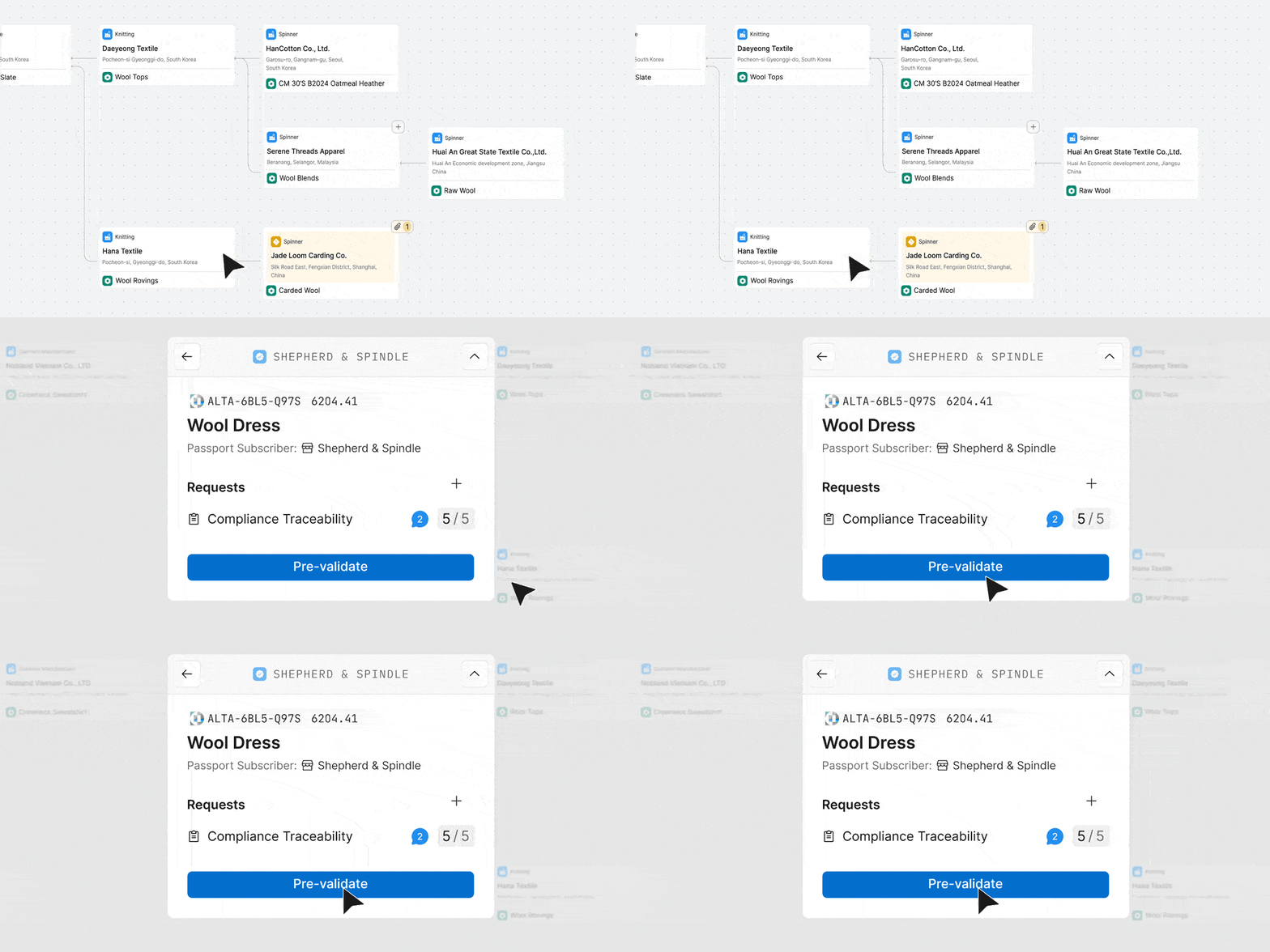
6. Introducing the Altana passport manager
7. The era of a trusted trade network begins now — together
The era of broken trade ends today. And the era of trusted networks begins now. Let's get to work.
FAQs
An Altana Product Passport is a packaged record of evidence about a product's full value chain, mapped from raw materials to finished goods. Importers share it proactively with customs agencies before goods ship, so authorities can pre-validate the shipment rather than interrogate it at the border. Evan Smith described Product Passports as "Global Entry for Goods."
A respected American retailer whose Henley t-shirts were detained 47 times in a row under the UFLPA mapped its multi-tier value chain through Altana, packaged the evidence into an Altana Product Passport, and shared it with CBP before the next shipment shipped. The detentions stopped. As Evan Smith put it, "Pre-validation replaced interrogation. Trust replaced suspicion."
The Altana passport manager is a trusted trading architecture that lets any government agency receive Product Passports, see the extended value chains within them, communicate with importers about questions, and make its own sovereign risk and compliance determinations. Each nation gets its own sovereign instance connected to the global network for shared intelligence while keeping local control of its data and borders. Altana AI serves as a recommendation, not a replacement.
Altana uses a federated, hub-and-spoke model because governments are concerned about data and AI sovereignty, and a trusted trade network requires shared intelligence without asking nations to give up control. Federation keeps data local and sovereign while still allowing the network to learn from isolated data. It lets customs agencies move from screening individual shipments to pre-validating entire networks.
Maersk acts as a steward of the digital network, cleansing high-risk shipments and using Product Passports to feed enriched, accurate trade attestations directly into customs. Altana announced a first-of-kind partnership with Maersk to embed Product Passports across the Gemini Cooperation, the twelve key international ports through which roughly 70% of world trade moves.


