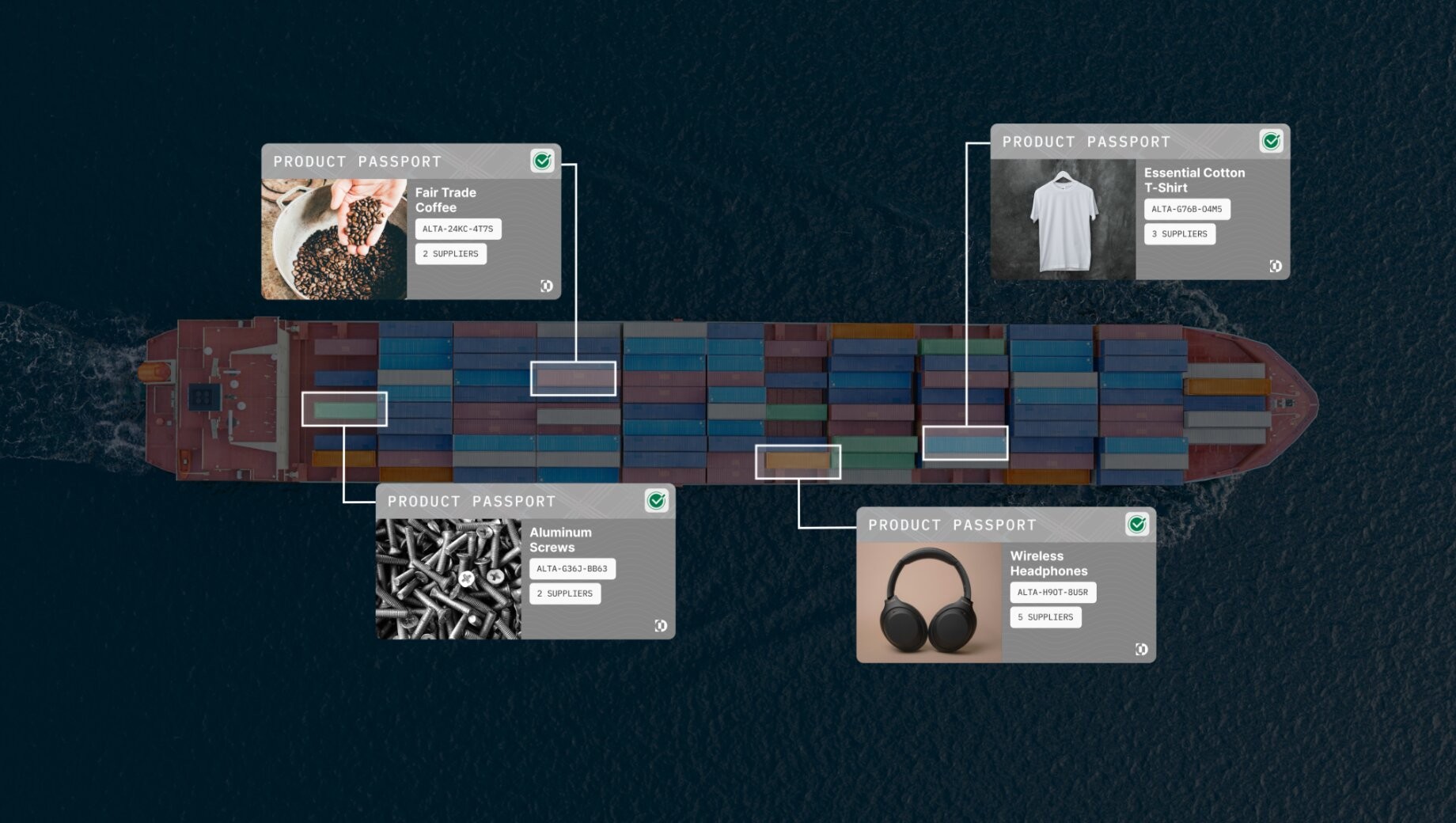
Key takeaways
An Altana analysis of U.S.-bound trade reveals widespread patterns of non-transformation — goods rerouted through major hubs with little or no meaningful change — in trade lanes from Vietnam, Mexico, and India. These patterns can complicate Country of Origin claims and expose importers to border delays, detentions, and penalties.
- Altana's product network found the most Country of Origin ambiguity not in jurisdictions historically tied to trade laundering, but in goods passing through Vietnam, Mexico, and India — countries with strong U.S. trade ties.
- More than 18,000 companies were exposed to the most recent additions to the UFLPA Entity List, raising the stakes for businesses that cannot prove where their goods were last meaningfully transformed.
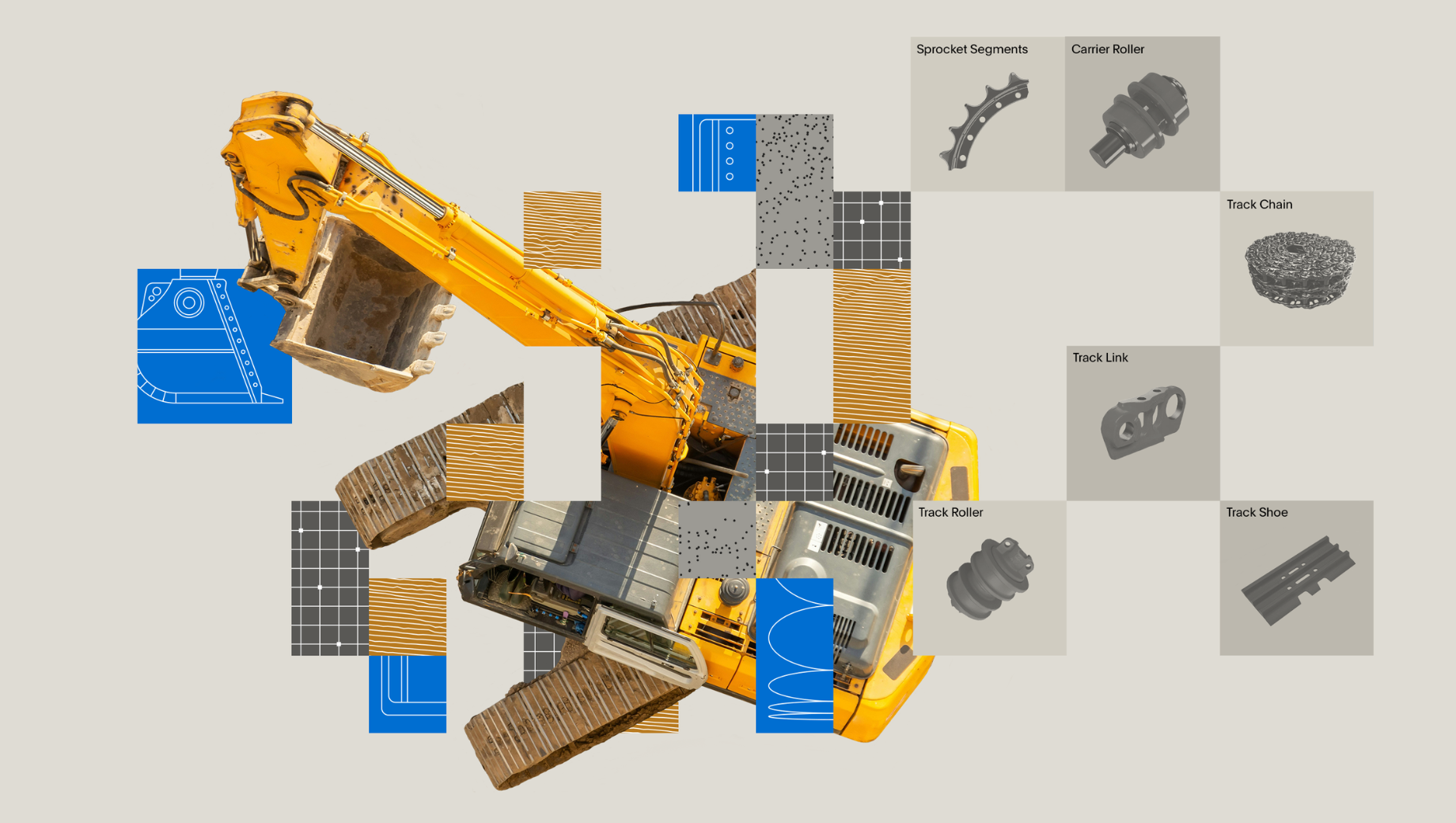
- Over 10 million yearly transactions fall under new or expanded Section 232 component-based tariffs on steel, aluminum, and upstream materials, increasing the consequences of ambiguous product origin.
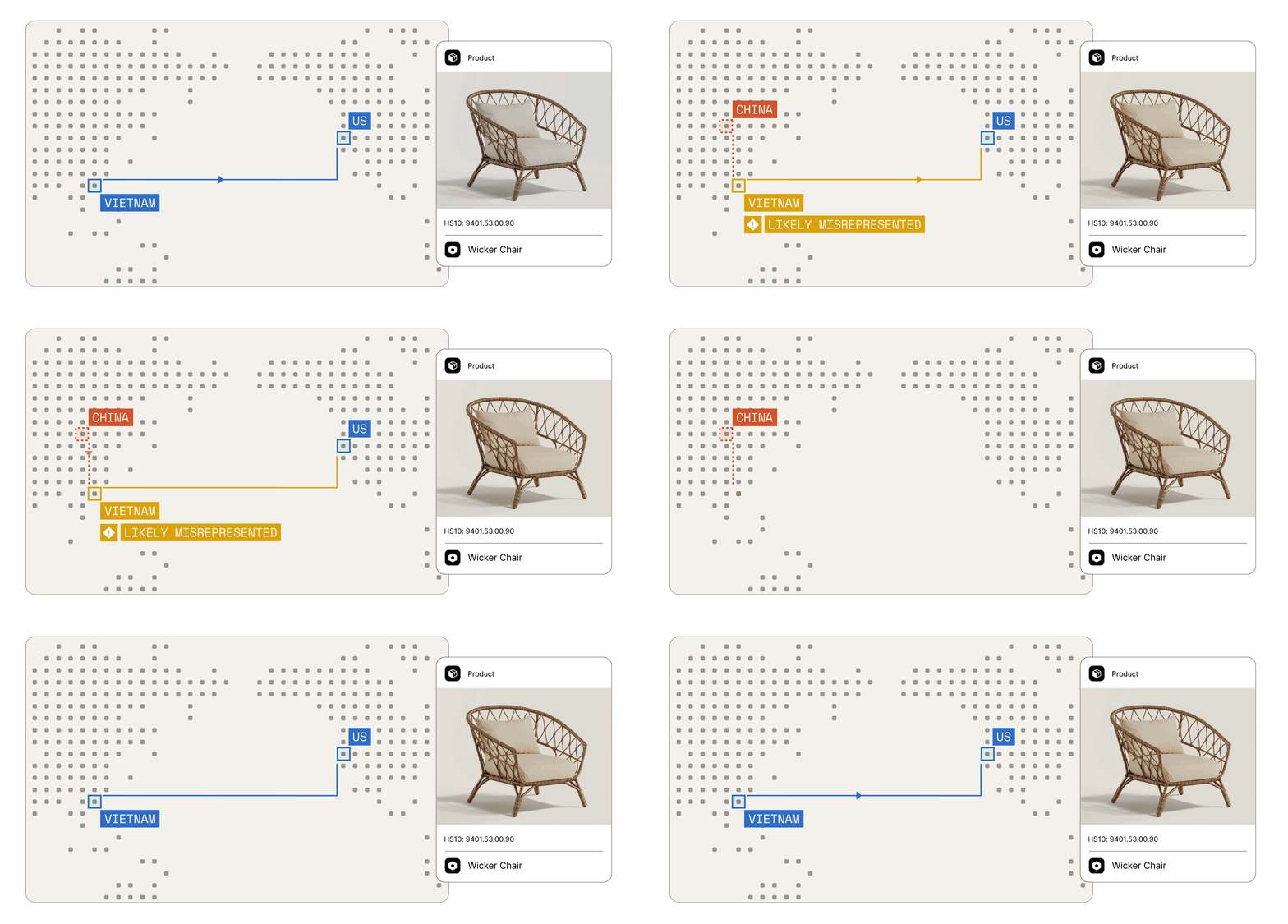
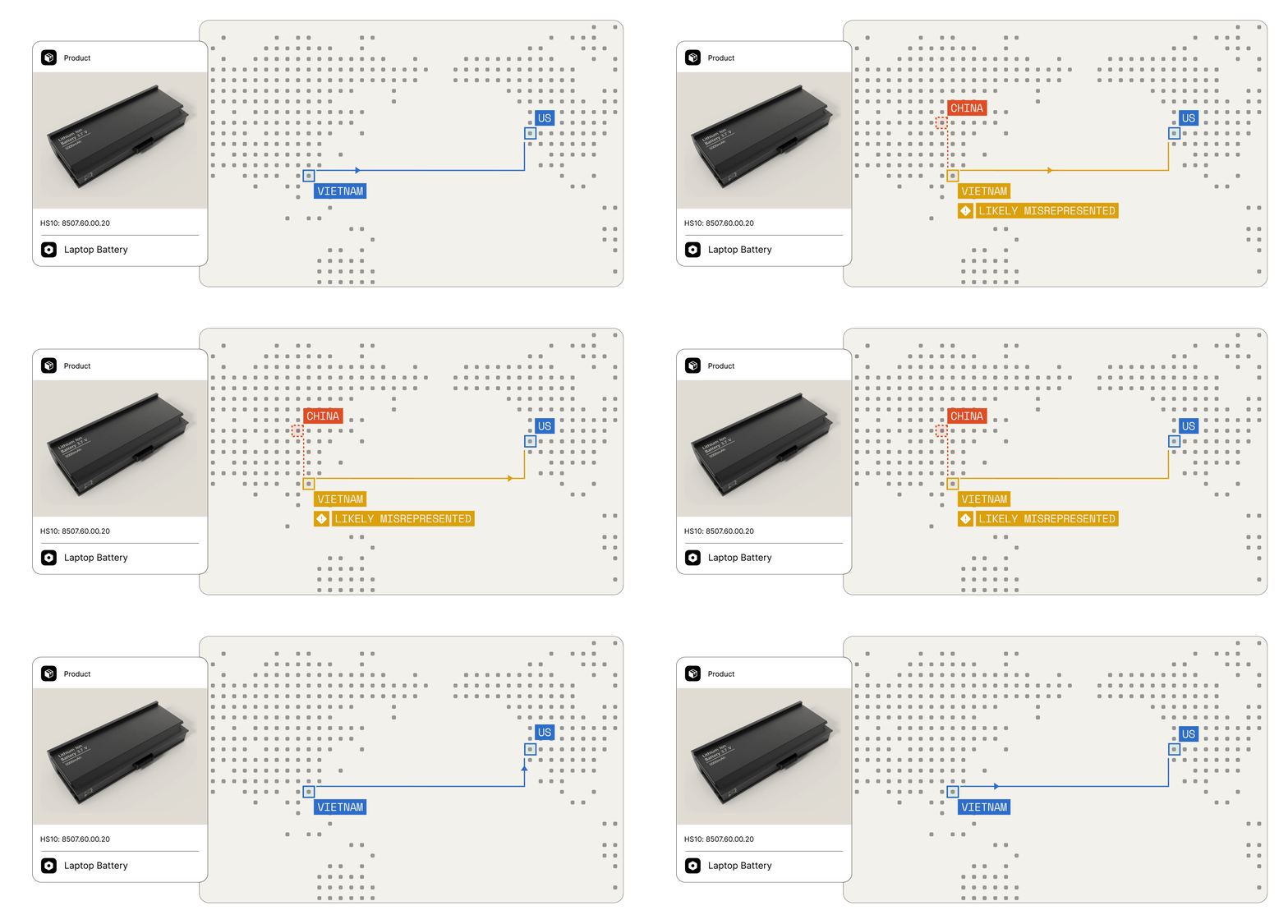
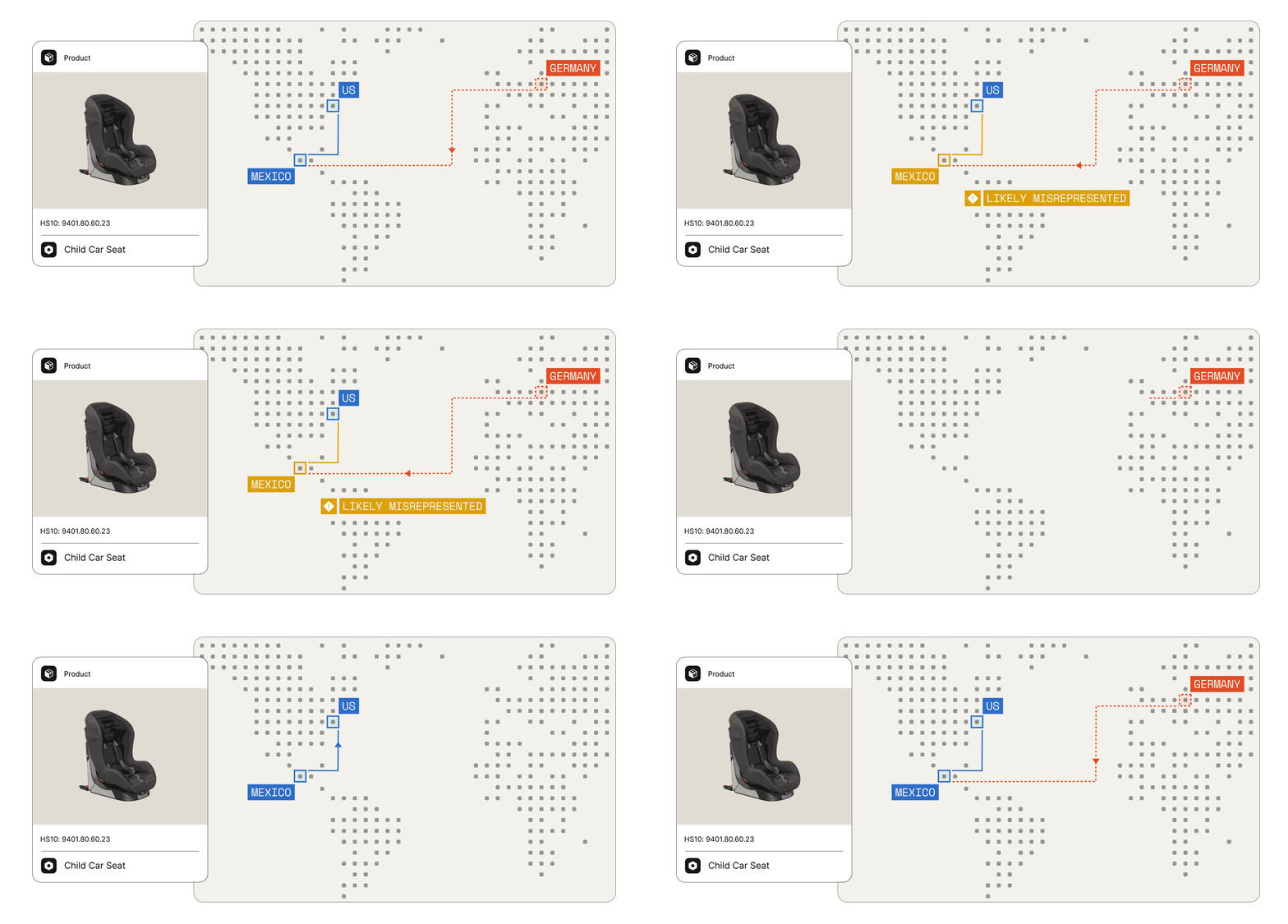
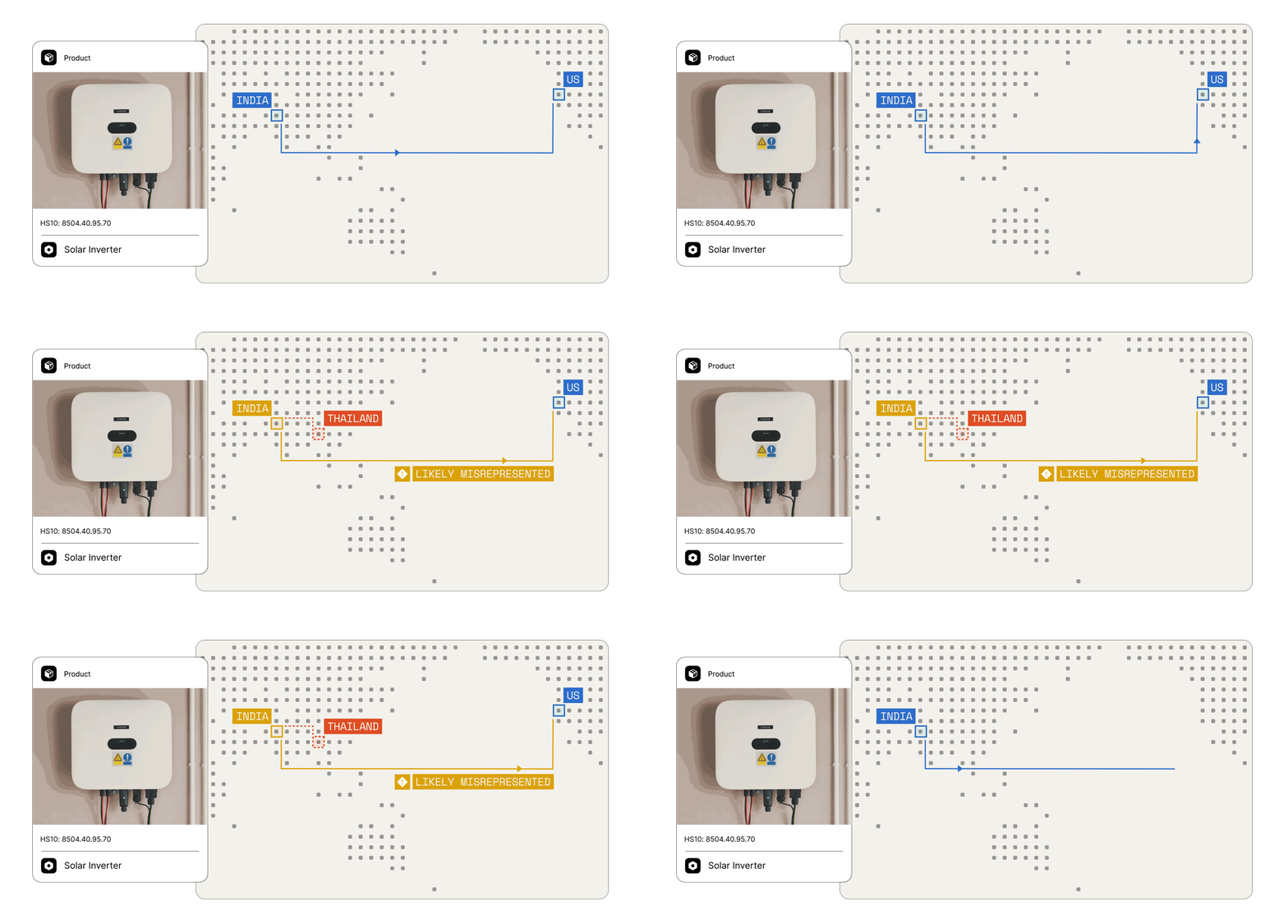
- Altana found specific products — including wicker furniture and battery chargers from Vietnam, car seats and microwave ovens through Mexico, and inverters and transformers through India — labeled with a third-country origin without signs of the transformation that would justify it.
CBP Transshipping Alert
CBP has intensified targeting operations, increased supply chain audits, and leveraged its Enforce and Protect Act (EAPA) authority to investigate evasion schemes. CBP continues to work closely with domestic and international partners to identify, disrupt, and penalize illicit transshipment operations.

U.S. Customs and Border Protection, Customs Trade Partnership Against Terrorism, Illegal Transshipping Alert, July 2025
Patterns of non-transformation present in major U.S.-bound trade lanes
Vietnam to U.S.: Chinese goods from furniture to high-tech electronics
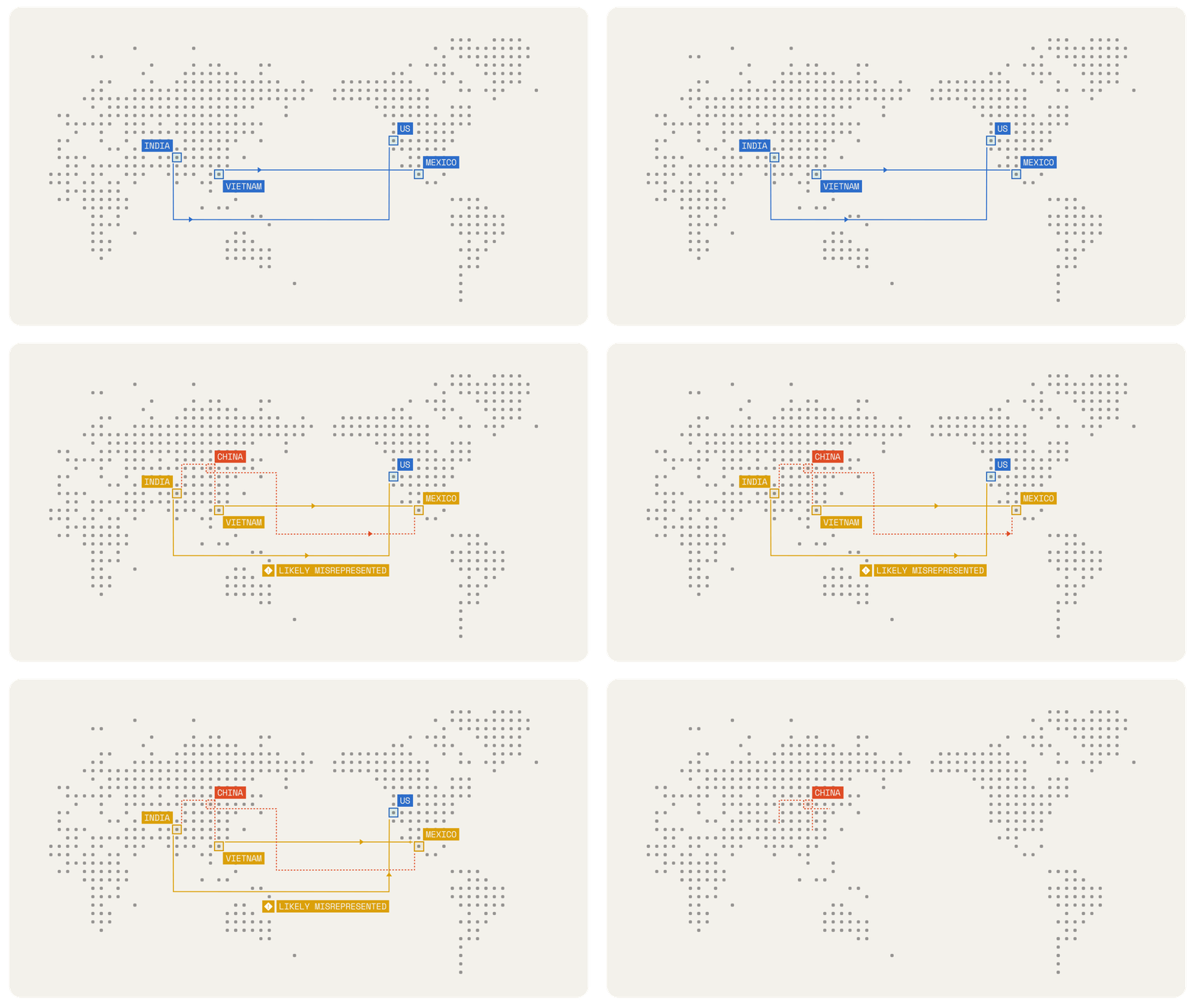
Mexico to U.S.: Auto parts, home appliance components from outside North America
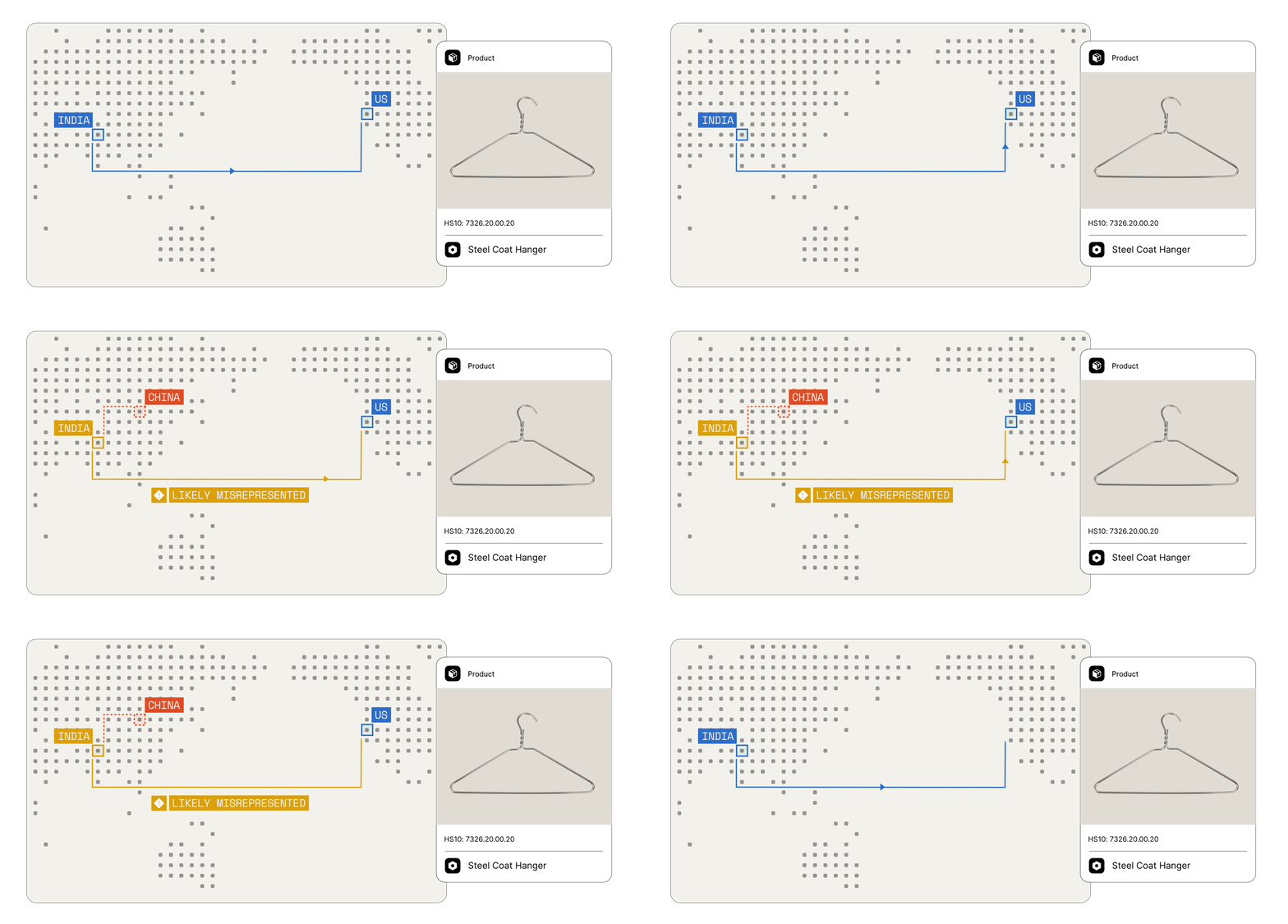
India to U.S.: Electronics components, iron and steel derivatives from elsewhere in Asia
Streamline traceability and clear customs fast
- Visibility means getting an instant, dynamic map of N-tier relationships at a product level. AI reveals specific multi-tier product value chain connections and uncovers relationships and risks, such as suppliers and facilities with behaviors of non-transformation.
- Traceability means working with suppliers to get detailed data and documentation on a product’s lifecycle, enabling in the click of a button the validation of country of origin claims based on actual, recorded transformation or non-transformation.
- Collaboration means working with verified suppliers and government agencies and regulators to clear borders faster. Altana Product Passports can be used to collaborate with upstream and downstream supply chain partners to prove country of origin, and work directly with regulators to pre-validate shipments and accelerate border clearance.
FAQs
Non-transformation is when goods move through a third country and exit with little or no meaningful change, yet are labeled with that third country as their origin. Altana's analysis found this pattern in U.S.-bound trade lanes, where products from China and other countries hop into a country like Vietnam or Mexico, undergo limited change, and then ship to the U.S. at a lower tariff rate.
Moving goods through third countries is not inherently illegal or deceptive, and does not always indicate fraud. However, patterns of non-transformation do surface regulatory risk for importers, because they can complicate validating country of origin and may lead to border detentions, seizures, delays, and penalties.
Altana's analysis found elevated patterns of non-transformation in goods passing through Vietnam, Mexico, and India on their way to the U.S. Examples include wicker furniture and battery chargers routed through Vietnam from China, car seats from Germany and microwave ovens from China routed through Mexico, and inverters and transformers from Thailand and other Asian countries routed through India.
Country of origin is hard to verify because vast, opaque networks of hundreds of facilities, thousands of products, and hundreds of thousands of shipments make it difficult to trace where a product was last meaningfully transformed. Most enterprise businesses still rely on static, manual exercises, which leaves them exposed even when a final shipment comes from a well-established, friendly trade lane.
Altana helps businesses validate country of origin through visibility, traceability, and collaboration built on the world's largest picture of the global supply chain. It provides a dynamic, product-level map of multi-tier relationships, surfaces suppliers and facilities with behaviors of non-transformation, and uses Altana Product Passports to pre-validate shipments with regulators and clear borders faster.